NASCAR History · Daytona · 1979 onward
The Story of the Busch Clash
Perhaps Monty's most enduring public contribution came through NASCAR — an invitation-only exhibition race that became one of the sport's longest-running traditions.
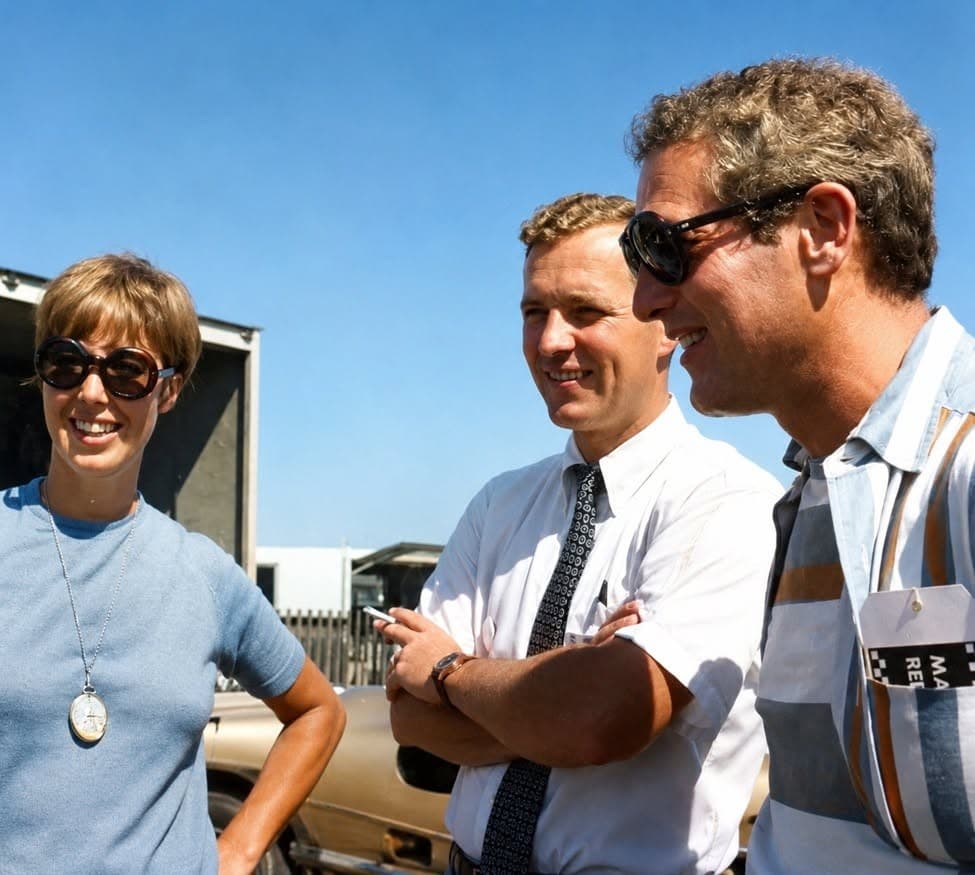
Having previously worked in racing at Ford and Ontario Motor Speedway, Monty recognized something few marketers fully appreciated: race fans were exceptionally loyal. If they trusted a sponsor, they often trusted its products.
As Busch Beer brand manager, Monty conceived the idea that became the Busch Clash — an invitation-only exhibition race featuring the previous season's pole winners.
Race fans were exceptionally loyal. If they trusted a sponsor, they often trusted its products.
A tradition is born
The event rewarded qualifying excellence, generated excitement before the Daytona 500, and gave television networks a reason to point cameras at Daytona a week early. The first Clash ran in February 1979 — a 50-mile sprint with no points, no fuel stops, and nothing but pride and prize money on the line.
The format proved so durable that the race survived decades of name changes, format changes, and sponsor changes. Whatever it was called — the Busch Clash, the Budweiser Shootout, the Sprint Unlimited, the Clash — the idea remained Monty's: reward the fastest, and give the fans a show before the show.
Decades later, NASCAR historians still identify Monty Roberts as the originator of the Busch Clash.
Why it mattered beyond racing
The Clash was also a landmark in sports marketing. The sponsor did not simply buy space at an existing event — it created the event, aligned the format with its brand (rewarding pole winners, the sport's purest measure of speed), and earned fan goodwill by adding to the sport rather than taking from it.
It became the template for Anheuser-Busch's broader NASCAR strategy, and part of the foundation on which the modern sponsorship era was built.